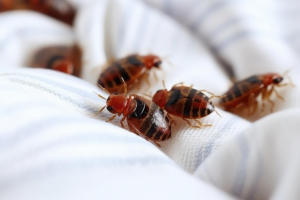
How can you tell if your Palm Desert home has drywood termites before serious damage occurs? The answer is to recognize the warning signs early. Unlike subterranean termites, drywood termites don’t need contact with soil to survive. They live entirely inside dry wood, quietly feeding on the structure of your home while remaining hidden for months—or even years. By the time obvious damage appears, repairs can become expensive and extensive.
At Palm Springs Pest Control, we’ve helped homeowners throughout Palm Desert and the Coachella Valley detect drywood termite infestations before they cause significant structural damage. Our professional Termite Inspection services are designed to identify termite activity early, giving homeowners the opportunity to treat infestations before they become major problems.
Why Drywood Termites Are So Common in Palm Desert
Palm Desert’s warm, dry climate creates favorable conditions for western drywood termites. Unlike subterranean termites that require contact with the soil, drywood termites establish colonies directly inside dry wooden structures such as roof framing, attic beams, fascia boards, window frames, furniture, decks, and even wooden trim.
Because they obtain the moisture they need directly from the wood they consume, they can survive in locations that homeowners rarely inspect. This ability allows infestations to remain hidden for long periods while structural damage slowly accumulates. Drywood termites are especially common throughout Southern California, including desert communities like Palm Desert.
Understanding the early warning signs can help homeowners act before repairs become significantly more expensive.
1. Small Piles of Termite Droppings (Frass)
One of the earliest and most recognizable signs of drywood termites is the appearance of tiny, hard pellets called frass.
These droppings are often mistaken for sawdust, coffee grounds, or sand because they accumulate in small piles beneath infested wood.
Unlike carpenter ants, termites aren’t creating sawdust while chewing through wood. Instead, these pellets are termite waste that workers push out through tiny openings called “kick-out holes.”
According to the University of California Integrated Pest Management Program, these distinctive six-sided pellets are one of the most reliable indicators of drywood termite activity.
If you discover unexplained piles of tiny pellets beneath windows, baseboards, door frames, ceiling beams, or furniture, it’s time to schedule a professional inspection.
2. Hollow-Sounding Wood
Healthy wood should feel solid. When termites consume wood from the inside out, they leave thin outer surfaces that may appear perfectly normal while hiding extensive internal galleries.
If wooden trim, support beams, flooring, or cabinets sound hollow when gently tapped, termites may already be feeding inside. Because drywood termites often eat across the grain instead of following it, the internal damage can become extensive before visible cracks or holes develop.
A professional inspection helps determine whether hollow wood is caused by termites or another structural issue.
3. Tight Doors and Windows
Many homeowners assume sticking windows and difficult-to-close doors result from changing temperatures or normal settling.
While those factors can certainly contribute, termite activity may also be responsible.
As termites consume structural wood, small changes in framing can cause windows and doors to become misaligned. Moisture associated with termite activity may also contribute to slight expansion in affected wood.
Although sticky doors and windows alone don’t confirm termites, they should never be ignored when accompanied by other warning signs.
4. Discarded Wings Around the Home
When drywood termite colonies mature, they produce winged reproductive termites known as swarmers. After leaving the colony to establish new nests, these termites shed their wings.
Finding small piles of identical wings near windows, doors, patios, or light fixtures often indicates termite activity nearby. Many homeowners mistake swarmers for flying ants.
However, termites have straight antennae, broad waists, and four wings of equal length, making them different from ants.
If you discover discarded wings inside your home, scheduling a professional Termite Inspection should become a priority.
Drywood Termites Often Remain Hidden
One reason drywood termites cause so much damage is their ability to stay hidden.
Unlike many household pests, they rarely appear in the open.
Entire colonies can remain inside walls, roof framing, attics, or furniture for years before homeowners notice anything unusual.
ScienceDirect explains that drywood termites are uniquely adapted to survive in dry wood with very low moisture content, allowing them to infest structural lumber far above ground without requiring soil contact. This ability makes early professional inspections especially important in desert climates like Palm Desert.
Because infestations frequently remain invisible, routine inspections are often the best defense against costly structural repairs.
Why Early Detection Saves Money
Every month termites remain active, they continue feeding.
Although they work slowly, colonies never stop expanding unless properly treated.
The earlier termite activity is discovered, the easier it generally becomes to develop an effective treatment plan while limiting structural damage.
Waiting until damage becomes visible often means repairs become significantly more expensive than treatment alone.
That’s why we encourage homeowners to schedule inspections whenever something seems unusual—even if they’re not completely certain termites are responsible.
At Palm Springs Pest Control, our experienced inspectors know exactly what to look for and can identify termite activity that most homeowners never notice during routine home maintenance.
5. Bubbling, Cracked, or Peeling Paint
Paint problems don’t always indicate termites, but they should never be dismissed without further investigation.
When termites tunnel beneath the surface of wood, the damaged material may begin changing shape or lose its structural integrity. As this happens, paint may bubble, crack, blister, or peel even though there hasn’t been obvious water damage.
Because these symptoms can resemble moisture problems, many homeowners mistakenly repaint the affected area without realizing termites remain active underneath.
A professional termite inspection can determine whether the damage is cosmetic or the result of an active infestation hidden within the wood.
Rather than covering the problem, identifying its true cause allows homeowners to take appropriate action before additional structural damage occurs.
6. Small Holes or Damaged Wooden Surfaces
Drywood termites create tiny openings in wood known as kick-out holes. These holes allow termites to push frass, or termite droppings, outside the colony while keeping the nest clean.
Although these openings are often very small, they may become visible on exposed wood around windows, doors, trim, fascia boards, furniture, or exposed beams.
Homeowners sometimes mistake these holes for nail holes or normal wear and tear. Combined with small piles of termite pellets nearby, however, they frequently indicate drywood termite activity.
Because termite galleries remain hidden beneath the surface, the visible opening often represents only a small portion of the actual infestation.
7. You Hear Faint Clicking Sounds Inside Walls
While termites are generally silent pests, large colonies sometimes produce faint clicking or rustling sounds inside walls or wooden framing.
Soldier termites communicate by tapping their heads against wood when the colony senses danger or disturbance.
Although these sounds are usually very quiet, homeowners occasionally notice them during the evening when the home is otherwise silent.
Hearing unusual clicking noises doesn’t automatically confirm termites, but when combined with other warning signs—such as frass, discarded wings, or hollow wood—it certainly warrants a professional inspection.
Most homeowners never experience this symptom, but it remains one of the lesser-known indicators of an active colony.
What Should You Do If You Suspect Drywood Termites?
If you believe termites may be present, the most important step is to avoid disturbing the affected area.
Many homeowners attempt to spray visible insects with over-the-counter pesticides or patch damaged wood before understanding the extent of the infestation.
Unfortunately, these temporary solutions rarely eliminate an established colony.
Because drywood termites live deep inside wooden structures, surface treatments often fail to reach the areas where termites are actively feeding.
Instead, scheduling a professional Termite Inspection allows trained inspectors to determine whether termites are present, identify the species involved, evaluate the extent of the infestation, and recommend the most effective treatment plan.
Taking action early helps prevent additional damage while often reducing the overall cost of treatment and repairs.
Why Professional Inspections Matter
Drywood termites are experts at remaining hidden.
They may spend years inside framing, attic spaces, roof eaves, exposed beams, window frames, cabinetry, or wooden furniture before obvious structural damage appears.
Even experienced homeowners can overlook subtle warning signs during routine maintenance.
At Palm Springs Pest Control, we perform thorough termite inspections using our knowledge of termite behavior, common infestation patterns, and the construction methods frequently found throughout Palm Desert and the surrounding Coachella Valley.
Our inspections don’t simply look for live termites.
We also evaluate evidence of previous infestations, structural damage, moisture conditions, vulnerable wood components, and environmental factors that may increase the likelihood of future termite activity.
This comprehensive approach provides homeowners with a much clearer understanding of their property’s condition.
Prevention Is Just as Important as Treatment
Although termites can’t always be prevented completely, homeowners can reduce their risk by maintaining their property properly.
Keeping wood away from direct soil contact, repairing leaking irrigation systems, eliminating excess moisture around the home, sealing cracks where termites may enter, and scheduling routine inspections all contribute to long-term termite prevention.
The University of California Integrated Pest Management Program recommends regular inspections because termite colonies often remain undetected until damage has become significant. Routine monitoring allows infestations to be identified much earlier, when treatment is generally more straightforward and structural repairs are less extensive.
Preventive inspections are particularly valuable in Palm Desert, where warm temperatures allow termites to remain active for much of the year.
Why Palm Desert Homeowners Choose Palm Springs Pest Control
Protecting your home requires more than simply responding to termite problems after they appear.
It requires experience, careful inspections, honest recommendations, and a commitment to helping homeowners protect one of their most valuable investments.
At Palm Springs Pest Control, we’ve proudly served homeowners throughout Palm Desert and the Coachella Valley with professional termite inspection services built on accuracy, integrity, and dependable customer service.
Whether you’re purchasing a new home, preparing to sell your property, or simply want the peace of mind that comes with a professional inspection, our experienced team is here to help.
If you’d like to learn more about the termite species commonly found in our area, we also encourage you to read our educational article on Types of Termites Found in Palm Desert Homes. Understanding how different termites behave can help homeowners better recognize potential problems before serious damage occurs.
Protect Your Palm Desert Home Before Damage Gets Worse
Drywood termites may be small, but the damage they cause can become significant when left untreated. Learning to recognize early warning signs—such as termite pellets, hollow wood, discarded wings, bubbling paint, kick-out holes, and subtle structural changes—gives homeowners the opportunity to act before repairs become far more expensive.
At Palm Springs Pest Control, we’re committed to helping Palm Desert homeowners detect termite activity early through our professional Termite Inspection services. Our experienced inspectors carefully evaluate your property, identify active infestations, and recommend effective treatment solutions tailored to your home’s specific needs.
If you’ve noticed any of these warning signs—or simply want the confidence that comes from a professional inspection—contact Palm Springs Pest Control today. Early detection can help protect your home, preserve its value, and save you from costly structural repairs in the future.